
Unbottled – A Blanc de Blancs Tasting
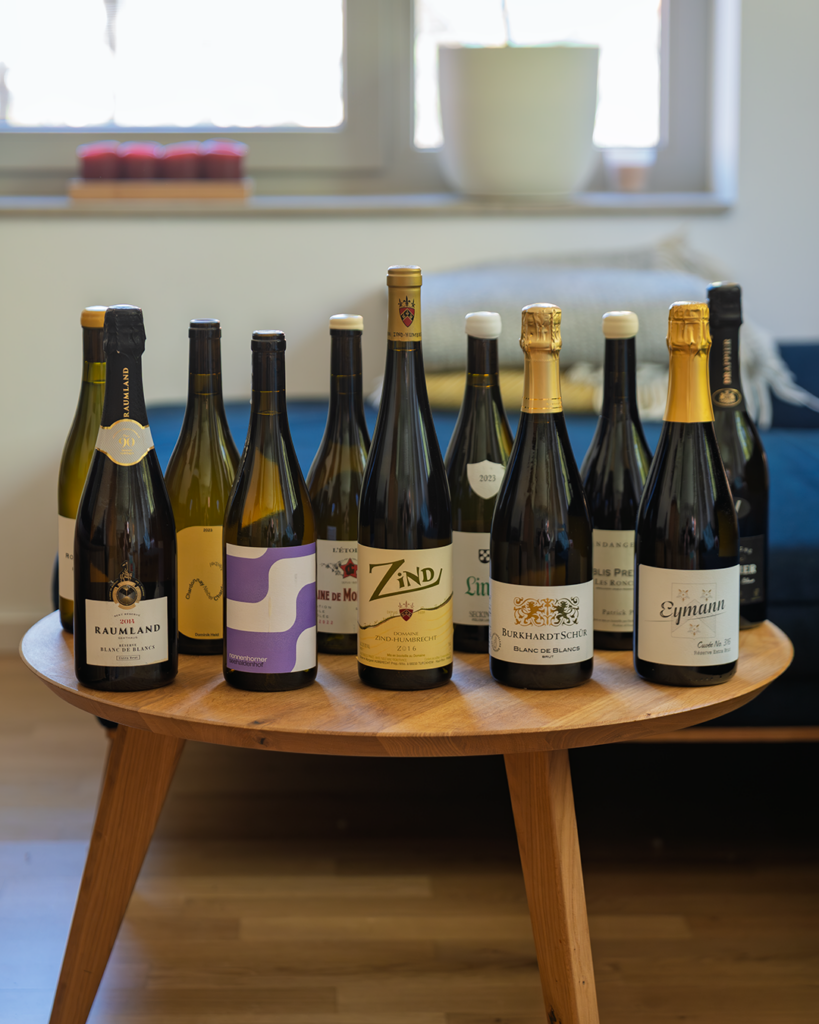
I’ve simply titled this edition of our regular tasting ‘Blanc de Blancs’. This topic was on my list for ages and while I do tend towards red grapes, especially when it comes to sparkling wine, you do have to appreciate what great chardonnay brings to the table. However, who says that we only tried this variety?
Chardonnay?
We basically started the tasting with the pirate(s). First up was the Blanc de Blancs 2014 vintage from Raumland. Contrary to most believes, Blanc de Blanc does not always mean “chardonnay” in sparkling wine. In this case, the base for this sparkler uses 62 % pinot gris and 38 % pinot blanc predominantly aged in stainless steel with a small portion aged in used barriques. After the second fermentation, the wine spends 90 months on the yeast in the bottle.
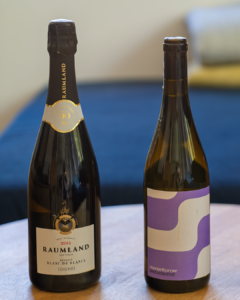
The Blanc de Blancs 2014 opens with flavours of white fruits and citrus reminding me of pink grapefruit, as well as hints of bread crust. The acidity is noticeable yet balanced. After 90 months on the yeast, there are not too many brioche flavours. Overall, this was the highest rated wine in the tasting, making it a definite crowd pleaser.
Did someone say pinot blanc?
Next, we continued with the first still wine of the tasting. Simon Hornstein makes excellent white and red wines on the Bavarian shores of Lake Constance. In this case, his village level Seehaldenhof Chardonnay & Weissburgunder combines 90 % of the former with 10 % of the latter grape variety. After spontaneous fermentation in a combination of piece, Tonneaux as well as barriques the wine spends 12 to 18 months in the individual vessel. The wine is bottled with neither fining, nor filtration and with only a minimal amount of sulphur.
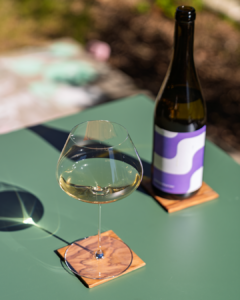
I first met Simon in 2025 at Weinfurore, where I was deeply impressed by his wines. The Nonnenhorner 2022 has noticeable reduction in the aroma on first opening. After a while, however, these notes settle down to reveal a clear-cut wine with a distinct minerality and a subtle fruitiness. On top of that, it has a certain creamy mouthfeel. Overall, the wine divided opinion among the tasters, with quite a few loving it.
Yes, another variety in the mix
We continued with a rare find, a 2016 blend of chardonnay with Auxerrois from Zind-Humbrecht. Both grapes grown in the Clos Windsbuhl vineyard under the monopoly ownership of the estate. After a slow pressing and a bit of sedimentation the wine spends eight months in old Foudre barrels. In the end, Zind-Humbrecht slightly filters the wine and bottles it without fining and with minimal sulphur.
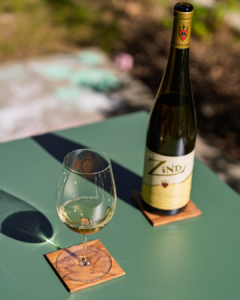
The flavours of overripe yellow fruit and a touch of residual sugar made the Zind quite accessible. Beneath that, there was still some freshness, which balanced the aged notes. In this way, the wine displayed classic Alsace characteristics. While I enjoyed the classic flavour profile, it’s a wine that you really have to be in the mood for.
Now, on to chardonnay
To get the ball rolling with our selection of 100 % chardonnay wines, we compared two sparklers. First, we tried the BurkhardtSchuer Blanc de Blanc 2016. The grapes come from the Kaiserstuhl region in Baden and spend 11 months in used barriques before the second fermentation. Afterwards, the bottle ageing lasts for 39 months.
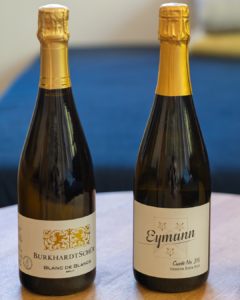
The BurkhardtSchuer starts with a lively carbonation and a classic fruitiness. Apart from that, you could find green apples and citrus flavours, as well as some acidity. There was a brioche note, which was slightly overshadowed by the citrus flavours and the Perlage. While this sparkling wine was good, we preferred other bottlings from Laura and Sebastian.
Long ageing on the yeast
The second sparkling chardonnay comes from Vincent Eymann. Apart from being the ‘reserve’ expression, Vincent now combines his pinot noir grapes with the chardonnay. However, this still is a 100 % chardonnay mainly from the 2016 vintage, with reserve wines from 2014 and 2015. After the second fermentation in the bottle, the sparkling wine ages for 60 months on the yeast.
Vincent Eymann produces excellent sparkling wines. This is certainly true for this Blanc de Blancs Réserve. Initially, yeast, pear and citrus flavours come through, followed by rosehip and slightly ethereal notes. The flavour profile is therefore quite complex and unique. Unfortunately, this wine is no longer produced.
Still wine, still chardonnay
Next, we had the 2023 vintage Neibel Chardonnay from Dominik Held. Dominik harvests fullripe grapes and directly presses them into a piece barrel and some barriques. After the fermentation the wine ages for 11 months. Bottling is done without filtration and fining as well as with only a small amount of sulphur.
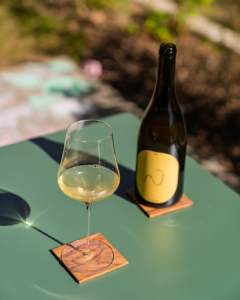
I had tried Dominik’s Chardonnay twice before at tastings. I was really impressed by the wine, which is why I had to include it here. I needed to spend more time contemplating its complexity. As with my first two tastings, the Neibel starts with a distinctive reductive note that reminds me of sawing machine oil (in a positive way!). Soon afterwards, notes of overripe apples, green paprika and fruit skins emerge, accompanied by a pronounced acidity. The latter did surprised some tasters.
Some Jura in the mix
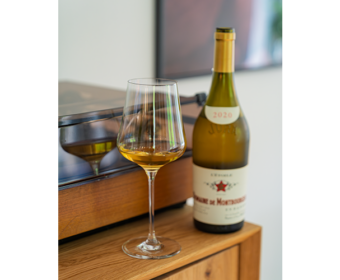
When you want to show the (almost) full spectrum of chardonnay, you have to include a wine from the Jura. In this case, I chose the Montbourgeau Chardonnay L’Etoile Les Hauts de Montagnis. The grapes come from the top of the vineyard growing on almost baren rock. After whole cluster pressing with a touch of sulphur added, the wine ferments naturally in large oak barrels with being topped up.
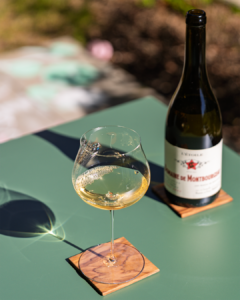
The Montbourgeau Montagnis surprised me in two ways. Firstly, it was similar to the reductive quality of Dominik’s wine, leaning more towards unlit matchsticks. The second was how well it was received by the tasters. I thought a wine from the Jura region would polarize opinion, but most people enjoyed this wine quite much. Apart from that, the chardonnay had hints of white fruits, a touch of green fruits as well as some honey.
Figuratively between Jura and Chablis
Some wine shops describe the Seckinger Linse Chardonnay as stylistically ranging between Jura and Chablis. So, this is where I placed the bottle in this tasting. The 40-year-old vines grow in beneath the Gaisboehl vineyard. Fermentation occurs naturally in used Tonneaux with a subsequent ageing of 15 months.
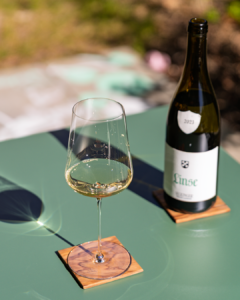
Due to the quite warm vintage, the Linse showed a lot of ripe fruit flavours. This made it in some aspects similar to the Zind. However, the wine started with a characteristic reductive note. However, it vanished after a while and was accompanied by a hint of acidity as well as mineral flavours. Consequently, a lot of tasters gave the wine a higher rating.
Chablis
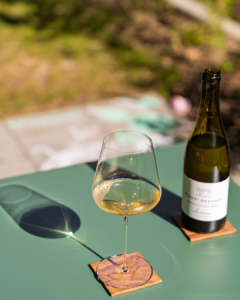
Patrick Piuze is a rising star in Chablis. The Canadian from Quebec does not own a vineyard and instead buys grapes from wine growers. Yet, he harvests all parcels with his own team by hand. I included his Premier Cru ‘Les Roncières’ in the tasting which comes from the left bank of the Serein river. After pressing on a vertical press and spontaneous fermentation the wine ages in used 228 l barrels for 10 months. In the end, the Chablis gets a slight fining as well as filtration.
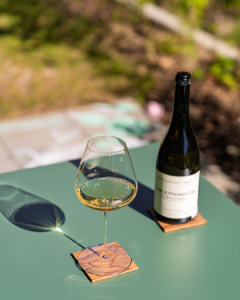
As this wine comes from a warmer terroir, it starts with noticeable fruit flavours. These range from white to yellow fruits. There are also some acidic notes, as well as creamy and chalky mouthfeel. Towards the aftertaste I sensed hints of fresh cut grass. Overall, the wine is quite drinkable without being overly complicated.
More burgundy
When you talk about French chardonnay you have to mention Pouilly-Fuissé. So we concluded the still wine part of the tasting with the La Croix 2022 vintage from Robert-Denogent. The special thing about the grapes for this wine is that they grow on blue schist. After a slow pressing and sedimentation, the wine ferments with natural yeasts in a combination of vessels for 19 months without topping up. In the end, the wine is unfined, not filtered with only a minimal amount of sulphur.
The unique terroir was clearly noticeable in the La Croix. Apart from notes of overripe apples and fruit skin, there were also hints of slate in both the aroma and the taste. At the same time, the wine remained balanced, without being overly extreme in any direction. This meant that many of the tasters rated it rather high.
Finally, champagne
Obviously, you could have done a Blanc de Blanc tasting using only champagne. Yet, I only included a bottle at the end and a special one at that. The Drappier Quattuor IV Blanc de Quatre Blancs consists of equal parts Arbanne, Petite Meslier, Blanc Vrai – a local pinot blanc variety, as well as 25 % chardonnay. The base comes from the 2014 and 2015 vintage with the addition of 30 % reserve wines. Following the second fermentation, the champagne ages for 60 months on the yeast.
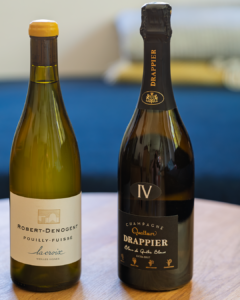
Finally, the Drappier Blanc de Quatre Blancs lived up to expectations for a well-aged champagne. Initially, a dominant brioche flavour emerged, accompanied by a hint of smoke. Underneath that, there were some fresh fruits before a tasty honey flavour developed. In the aftertaste, I detected the slightest whiff of grape skins. Overall, it was a great experience to try a champagne that showcases the lesser-known grape varieties of Champagne.
One thought on “Unbottled – A Blanc de Blancs Tasting”