Unbottled – Summer Wine
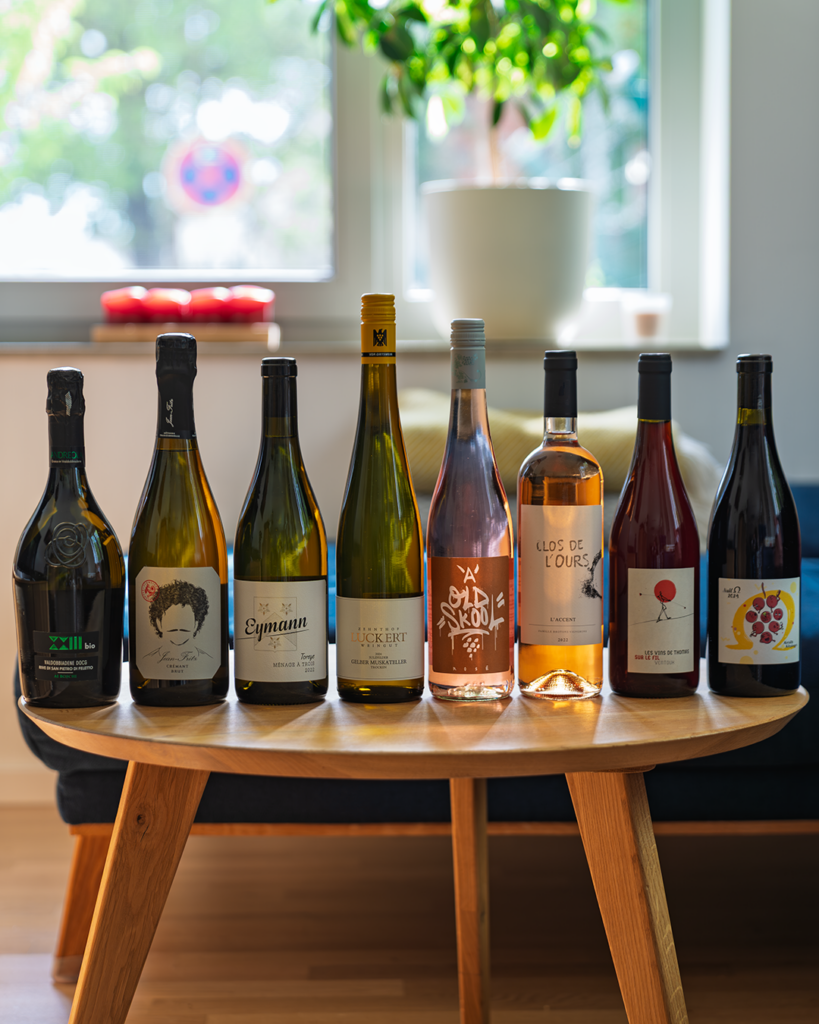
Great wine does not have to be expensive. Nevertheless, a high-quality wine must come with a price tag. In this case, I organised a summer wine tasting event for a customer, showcasing wines that offered great value for money.
Two sparkling wines
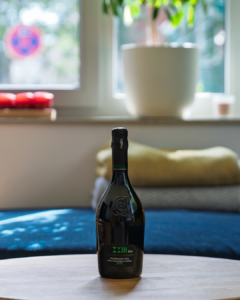
We started with an organic prosecco which was instantly well received. The Andreola Rive S. Pietro di Feletto comes from a single vineyard, with 97 % Glera and 3 % Verdiso grapes. After 12 months in stainless steel tanks the second fermentation takes place in a pressure vessel. The Spumante shows a lot of white fruits, a good acidity and just some sweetness. It is an easy and refreshing sipper which also makes perfect Spritz variations.
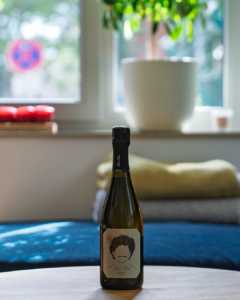
In contrast, I opened a bottle of Juelg Crémant Jean-Fritz. The chardonnay and pinot blanc grapes for this bottle fermented sparkling wine grow 50 % in the Alsace region of France and 50 % in the Palatinate in Germany. The base wine spends nine months on the yeast and the subsequent bottle fermentation takes around 12 months. This gives the Jean-Fritz a great balance of white and green fruit notes, acidity and yeast flavours. In my opinion, it makes a great aperitif!
Aromatic or not?
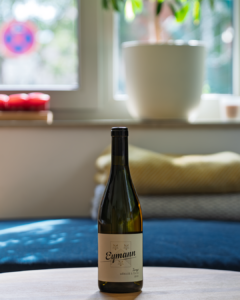
For a white still wine, I chose the Ménage à Trois from Vincent Eymann. His white wine uses a co-fermentation of chardonnay, pinot blanc as well as pinot gris. The pinot blanc as well as the pinot gris come from a mixed lot, too. The wine started with the faintest hint of reductive notes, accompanied by white fruits. On the palate, pronounced acidity dominates in combination with a slightly creamy mouthfeel and notes of white fruit. This was also the first wine in the tasting with clear mineral notes.
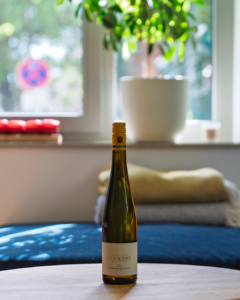
For comparison, I opted for the Zehnthof Luckert Muskateller. The grapes spend a short time on their skins before pressing and spontaneous fermentation in large oak casks. The wine is slightly filtered, but not fined. Everyone instantly noticed the powerful aroma of yellow muscat grapes. There were notes of rose petals, spices and peach.
Rosé, rosé
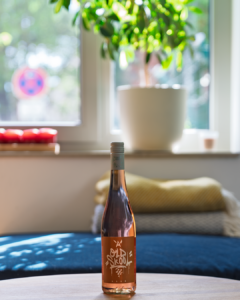
Obviously, a summer wine tasting has to include rosé wines. The first one comes from the Andres vineyard in Deidesheim. They use pinot noir grapes to make their Old Skool rosé. The grapes ferment in stainless steel tanks, with a small portion then ageing in used oak casks. The wine spends more time on the lees than your average rosé. This bottle was a particular hit with the crowd, offering notes of red fruits, especially strawberry and raspberry, with a slightly lactic touch. While it is not overly complex, sometimes you just want a wine that is pleasant to enjoy.
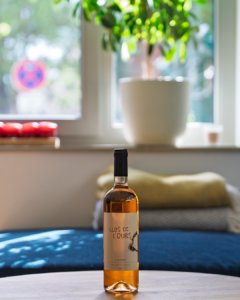
The second rosé in the tasting comes from the Provence. The L’Accent from Clos des L’Ours uses a mix of 30 % Cinsault, 30 % Syrah, 20 % Grenache, 15 % Carignan, and 5 % Mourvèdre. The grapes come from interconnected vineyards surrounded by woodland. All varieties are co-fermented and aged in stainless steel until bottling. The rosé starts with some dark fruits as well as overripe berries, there are noticeable more tannins in the taste compared to the previous bottle. There is also a certain spiciness to the taste.
Summer reds
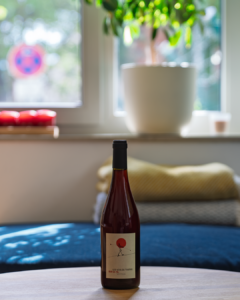
For the final tasting flight, I selected two lighter red wines. The first one from the Domaine La Ferme Saint-Martin from the southern Rhône uses bought grapes from a family friend. The cuvée consists of 50 % Grenache, 40 % Cinsault and 10 % Syrah. During production the first part uses intercellular fermentation, the second is directly pressed and a third part is mash-fermented. I was pleasantly surprised by how well this red wine was received. Even though a lot of tasters were surprised by its cloudiness. Nevertheless, it works extremely well with sloe berries, sour cherries and sea buckthorn.
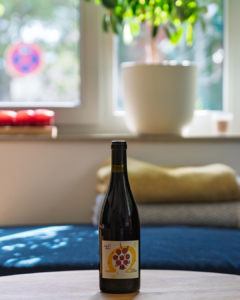
To finish the tasting, we opened a bottle of pinot noir from Moritz Kissinger. Moritz macerates the grapes for around ten days before pressing. Afterwards, the wine ages in small and large oak barrels. Even though the Null Ohm is made to be served chilled, it exhibits typical Pinot Noir characteristics with notes of red fruits, spices as well as some tannins. Nevertheless, this is a great and still very well to drink red for the hotter days.