Unbottled – Natural Wine Tasting
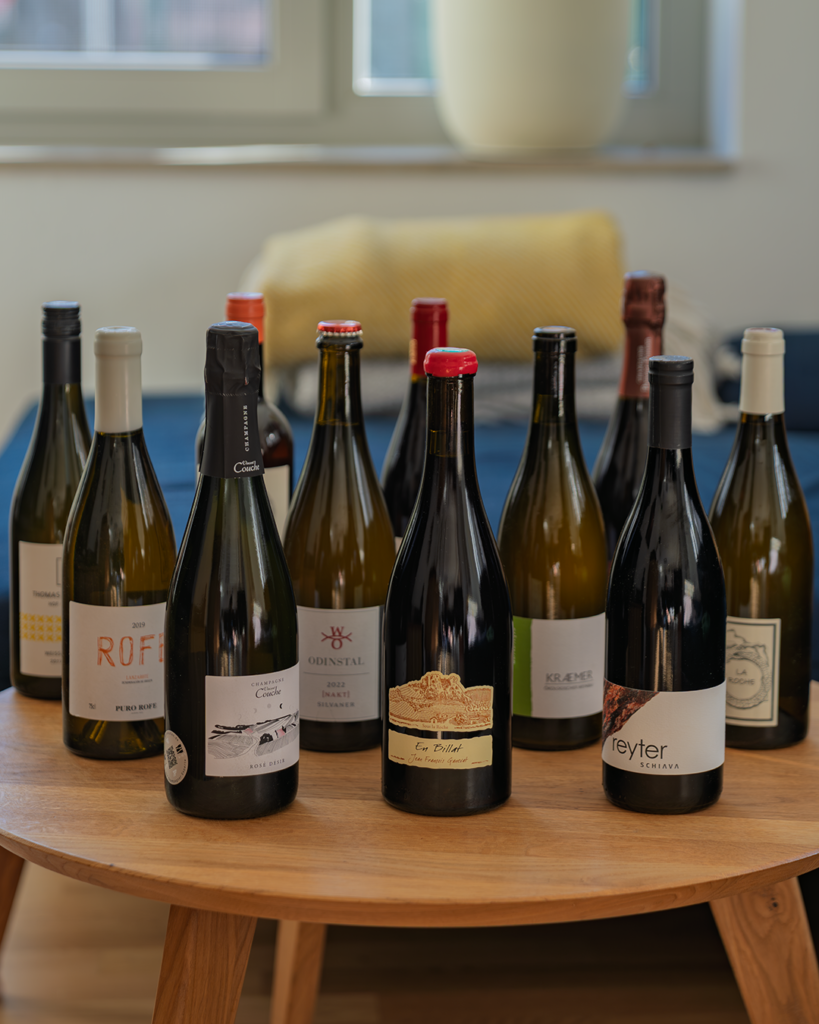
This was the first wine tasting of my regular’s table in 2026 with the topic natural wine. Well, there are no set rules on what constitutes a natural wine. For this tasting, I chose wines that had undergone minimal intervention in the cellar. Furthermore, all of the wines are hand-harvested, unfiltered and unfined, as these are the basic criteria that natural wine must fulfil for me. Overall, I tried to provide my friends with a brief overview of this controversial topic.
A natural champagne
We started with the Désir Rosé by Vincent Couche. The grapes grow on Kimmeridge limestone marl and chalk with flint. After harvest, the spontaneous fermentation takes place half in oak casks and half in stainless steel. Before the second fermentation no sulphur is added to the wine. The champagne then spends two-and-a-half years on the yeast before disgorgement.
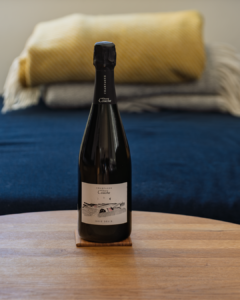
Straight after pouring the Desír Rosé’s carbonation mellowed down quite quickly. Nevertheless, the champagne greeted with red fruit notes, hints of Brioche and a certain acidity. Towards the aftertaste, hints of raspberry yoghurt as well as more minerals notes became noticeable. All in all, it was a tasty sparkling wine which could benefit from a touch more carbonation.
An almost legendary pinot
For this tasting I turned things around and started with two red wines. First up was the en Billat from Jean-François Ganevat. This Côtes du Jura comes from 32-year-old vines and the grapes are pressed as whole clusters. Ageing is done for two years in used barriques as well as Foudrés. The wine is bottled without sulphur.
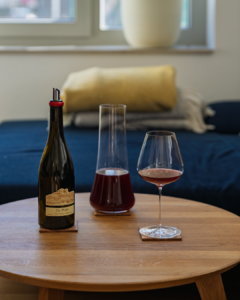
This almost legendary pinot noir from one of the most famous producers in the Jura region did not disappoint. Instead, the aroma and taste developed from red fruits and plums towards umami notes and a distinct walnut flavour. The tannins were there, but very well integrated. With more temperature the wine became nuttier and also had a touch of floral flavours.
Another light red
The Shiava from the Reyter vineyard comes from around 100-year-old pergola-trained vines growing partially near the Kalterer lake and around Tramin. After a manual harvest, the grapes undergo spontaneous fermentation in stainless steel tanks. Ageing is done for 18 months in used 500 l Tonneaux, there also the malolactic fermentation happens.
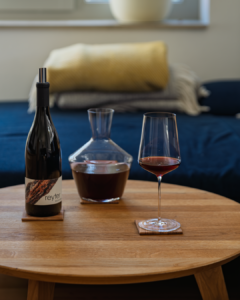
Instantly after opening, I was impressed by the Shiava from Reyter. It delivers a lot of juicy fruit flavours with a touch of tannins. Behind the fruits there lies some earthiness, umami as well as cherry stems. Considering the price point this was one of my favourites.
A naked silvaner
As a sharp contrast and a refreshment we continued with the “Nakt” Silvaner from Odinstal. The vines grow in Odinstal’s monopole vineyard. Since 2012 the vines were not cut, this means that there are a lot of very small grapes. A part of the grapes is used for an intercellular fermentation in a clay amphora. The other part ferments in small, used oak barrels. No sulphur is added to this wine.
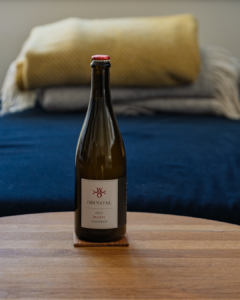
Since there was some carbonation in the silvaner, I freshly opened it at the tasting. This way the wine showed a dominant reductive note over the whole tasting. Apart from that, you could find a pronounced acidity combined with green apples, lemons as well as umami notes. A lot of our small group did enjoy this wine, while others did not so much.
Aged silvaner
Obviously, when talking about natural wine you need to mention Stephan Kraemer’s silvaners. In this case, we tried a 2017 vintage of his Steillage Silex from the Roettinger Feuerstein site. As per usual with Stephan’s wines, a part is directly pressed and spontaneously fermented in used oak barrels, the other part is fermented intercellular in stainless steel.
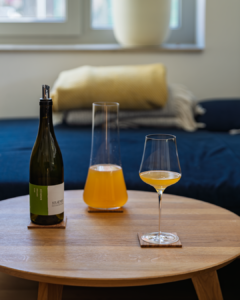
Even though the silvaner from Stephan had a bit of a hard time competing with the intense matchstick notes of its predecessor, it was the most ‘complete’ wine of the tasting for me. I am repeating myself, but Stephan’s wines need time in the bottle, a lot of air as well as some higher temperatures to show their full potential. In this case, I got some multifruit flavour, well integrated phenols, overripe fruits, herbal lemon thyme as well as a clear minerality bordering towards salt.
Complex chenin
We stayed with white natural wines for a while. The Garnier Chenin Blanc La Roche comes from 30 to 60-year-old vines growing on slate. After a short maceration on the skins, the grapes are pressed on an old basket press. Spontaneous fermentation occurs in used oak barrels with an additional ageing of 12 months. There is no added sulphur in this wine.
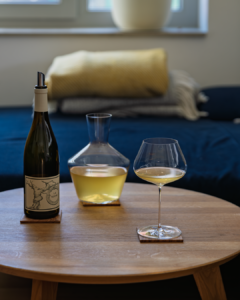
I first tried this wine with Stephan at his vineyard and was instantly blown away by its complexity! Although this bottle did taste different from how I remembered the first, it was another great white wine. The ‘La Roche’ started with slight pineapple notes which disappeared over time. Furthermore, I tasted umami notes, backed bread and Piment d’Espelette.
White wine from the Atlantic
For this white wine Carmelo Peña of Puro Rofe uses Diego, Malvasía and 5 % Listán Blanc varieties growing in small funnels in volcanic ash. The vines are over 100-years-old and the grapes are pressed by feet in Lagares. Afterwards, the spontaneous fermentation takes place in stainless steel tanks. Ageing is also done in stainless steel for eight months.
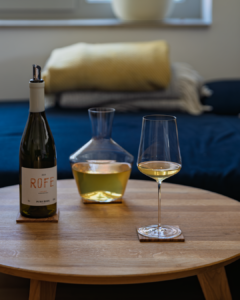
Similar to the Menditero ‘rosé’ in our rosé tasting the ‘Blanco’ started with smoke and sulphur. Yes, it cannot get more mineralic than this, but in this case a lot of the tasters were overwhelmed by the wines taste. Behind the reductive flavours you could find citrus fruits, reminding me of white grape fruits as well as a hint of honey.
Orange wine from the PiWi expert
Yes, I know I should have bought a PiWi wine from Thomas Niedermayr, but I was too curious to try the pinot blanc from grapes his father planted. After harvest the grapes spend three months on their skins. Ageing takes place in for 23 months on the full yeast in stainless steel as well as oak barrels. As with all of Thomas Niedermayr’s wines the bottled wine spends an extensive amount of time in the vineyard before being released.
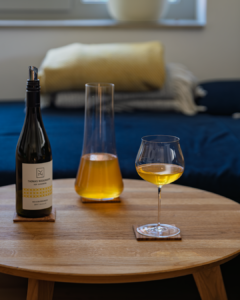
Nevertheless, the pinot blanc did not dissapoint. For such a long skin contact, the phenols where quite mellow. Apart from that, you could find a touch of classic ‘pinot’ fruit reminding me of white peaches. Yet, the wine also had some spiciness to it. I also found cloves, green gooseberries as well as overripe fruits in the taste.
Some rosé
Gut Oggau somehow holds a legendary status in the natural wine world. This is why, I had to include a bottle and my choice fell for the Cecilia. This is a mixed lot of red and white grapes and 2/3 are directly pressed after the harvest. The other third spends some time on the skins. Spontaneous fermentation takes place in large oak vats and the ageing is done in 1500 l Stockinger barrels. Eduard and Stephanie Tscheppe Eselboeck do not add sulphur to this wine.
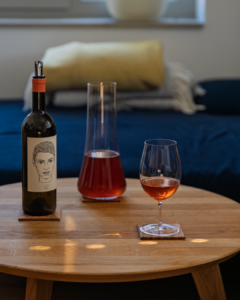
After an initial whiff of smoke, the ‘Cecilia’ mellowed down a bit after decanting. First, you noticed classic rosé flavours of red berries like raspberries. Yet, there also was a certain complexity to the wine coming from the combination of a touch of phenols, green apples and a hint of herbs. A lot of tasters did enjoy this rosé, too.
Southern Italy red
Cataldo Calabretta uses autochthon varieties for his wines. In this case, Gaglioppo growing as bush vines which he ferments after a two-week maceration in concrete vats. Ageing is also done in concrete for 10 months with a subsequent bottle ageing of at least seven months.
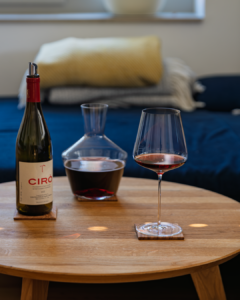
I had this red wine from Calabria in a natural wine tasting before and was very impressed by it. It did also not disappoint. There were intense dark fruits, a whiff of red fruit jam as well as some marzipan. The tannins were pronounced, but integrated themselves well with enough air. Especially considering the price, this wine is a great value-for-money tip!