Unbottled – OIAL Champagne Tasting
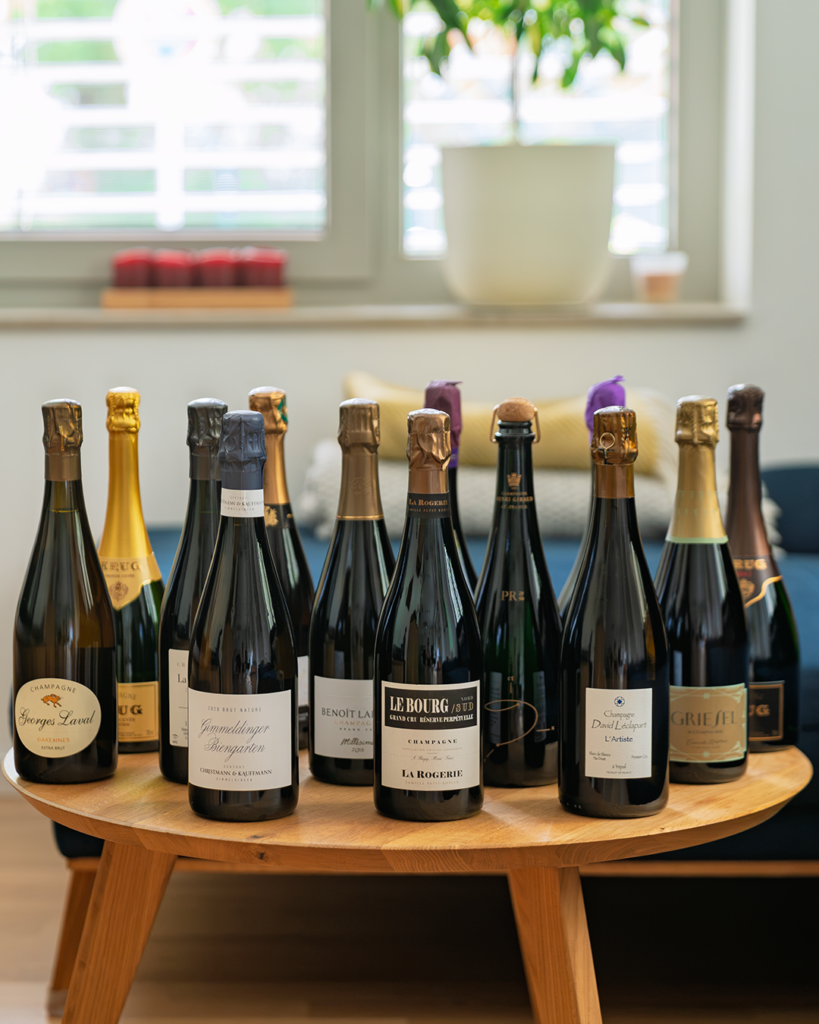
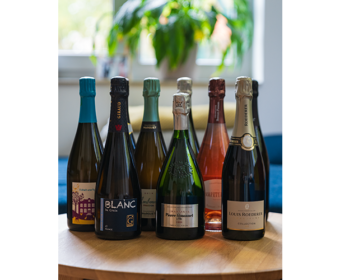
If you spend enough time focusing on wine, and especially champagne, it is easy to get a little carried away. Add enthusiastic wine fans to the mix and you get a unique champagne tasting experience. What started out as a tasting of a few top cuvées got slightly out of hand. In the end, we tried thirteen bottles: eleven exclusive champagnes and two ‘pirates’.
First, I would like to say that this tasting session would not have been possible without my friends. I am extremely grateful for their support and tolerance of my tasting ideas, even if I am going completely over the top again. Second, I would like to mention that this kind of line-up really is everything but normal, my head still spins when I think about the bill!
All in all, I built this tasting around the Marguet Sapience champagne and paired a bottle of each contributing wine maker a matching, potentially rare counterpart. I also really wanted to try a bottle of Krug, and we ended up having two different ones.
In short, all the wines performed exceptionally well. The wines from each of the contributing winemakers to the Sapience Cuvée, as well as the cuvée itself, were real highlights. The Giraud was a particular crowd pleaser, and Krug lived up to its reputation. The most surprising thing was probably that the two German sparkling wines were definitely able to keep up with the champagnes, especially the Christmann & Kaufmann.
Aperitif
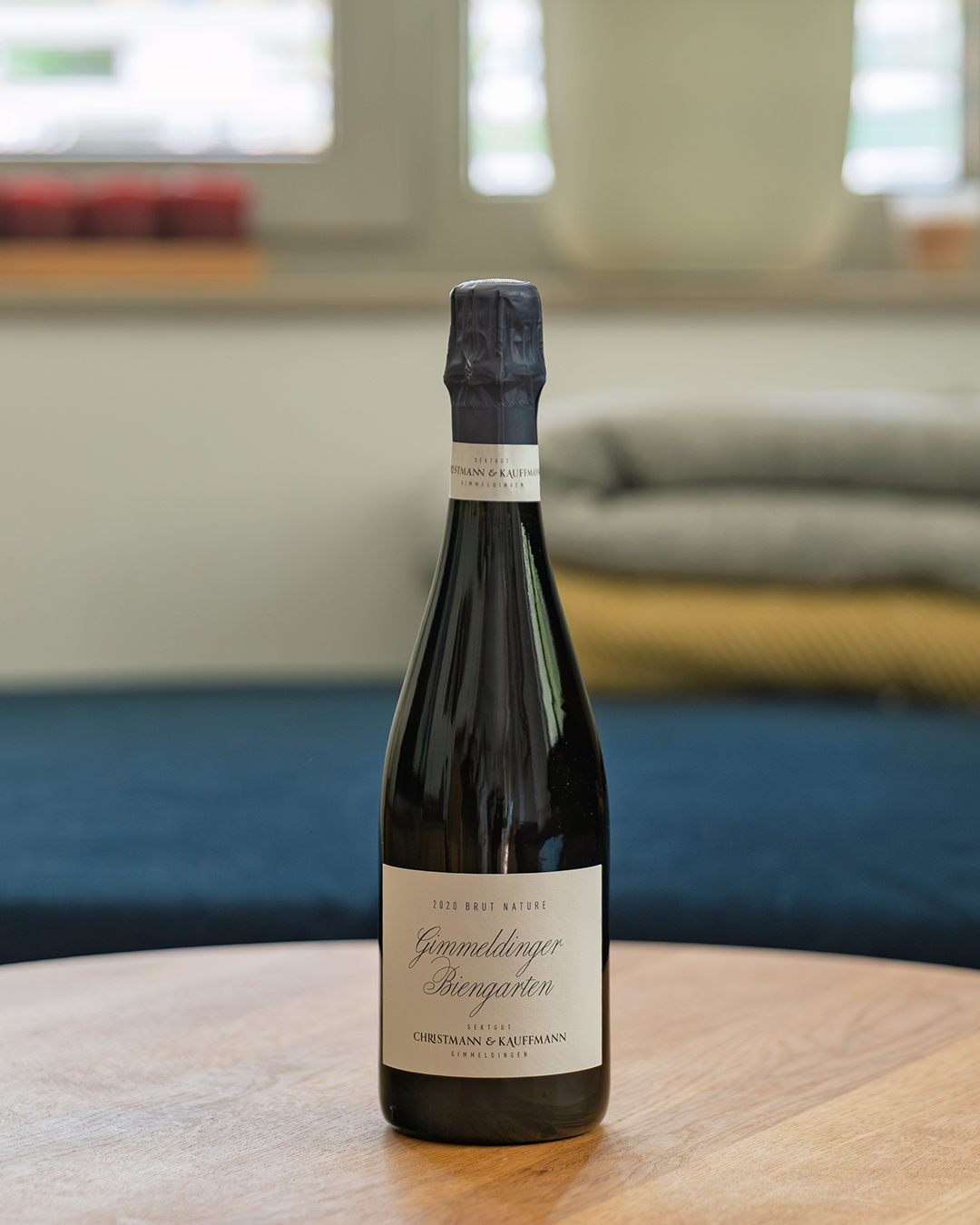
As an aperitif, I chose the first pirate in the tasting. The Christmann & Kaufmann Gimmeldinger Biengarten not only is a German sparkling wine, but also uses riesling grapes. I read somewhere that Mathieu Kaufmann mentioned modern high quality riesling sparkling wine esembles Blanc de Blancs champagne. This is why I placed the bottle alongside the Blanc de Blancs flight. After fermentation and ageing in large oak barrels, the wine is left in the bottle for 46 months.
Initially, the wine had very little fruit and a pronounced acidity, with a lot of minerality. After a while, hints of spice, chalk and honey emerged. On the palate, I detected a hint of white peach, but it was very subtle. No one immediately recognised that this was a sparkling Riesling. It was therefore a perfect aperitif and a great start to the tasting.
Blanc de Blanc
For the first champagne, we tried the elusive La Rogerie Le Bourg/Sud Blanc de Blanc. The winemakers with roots in the Alsace region, use Grand Cru grapes from old vines. After aging in 228 l and 400 l barrels with a few new ones in the mix, the champagne spends 36 months on the yeast. Each edition is around 10.000 bottles.
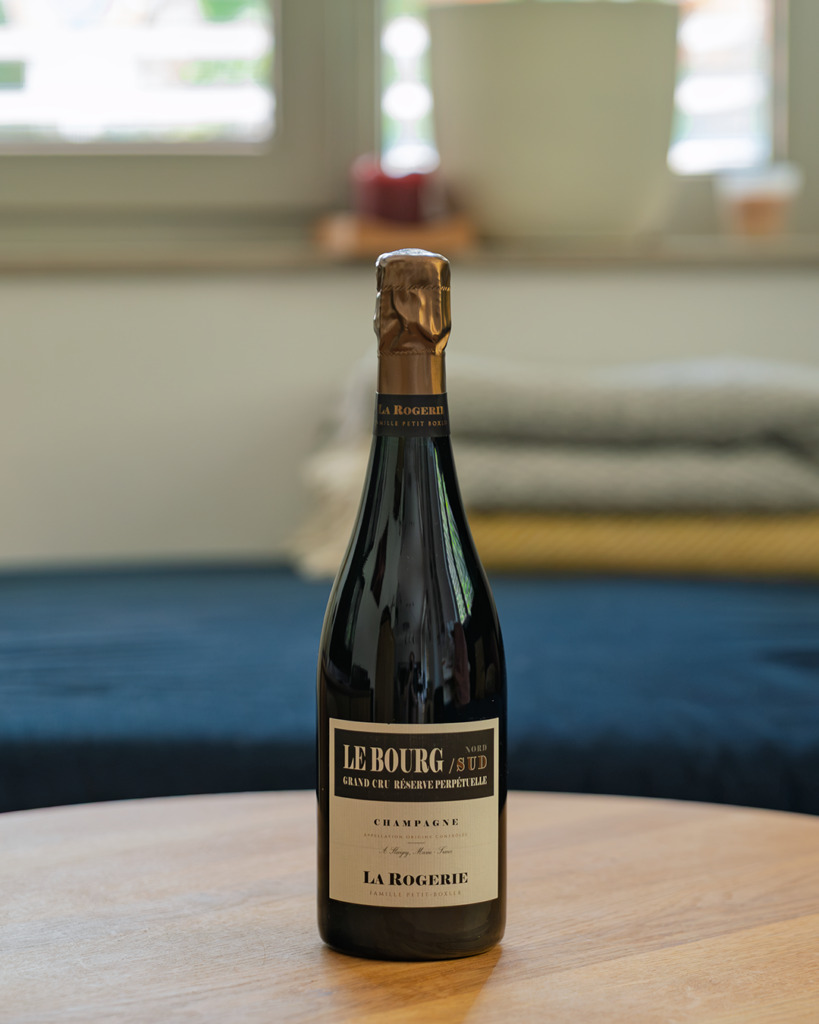
Compared to the riesling and the second bottle of blanc de blanc, the La Rogerie Le Bourg was more approachable. Nevertheless, the champagne had quite a lot of mineral notes. These were combined with notes of white fruits, apricots and white grapefruit, sitting on an acidic and chalky backbone.
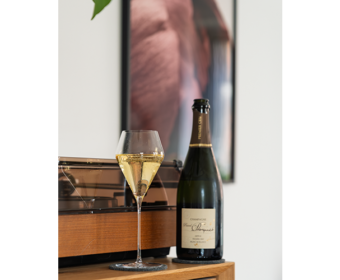
We compared La Rogerie with the David Leclapart L’Artiste. The grapes come from the Premier Cru village of Trépail from vines planted in 1974 and 1980 respectively. Half of the base wine aged in enamelled steel tanks, while the other half aged in used oak barrels. Ultimately, the champagne was neither fined nor filtered, and only a minimal amount of sulphur was added.
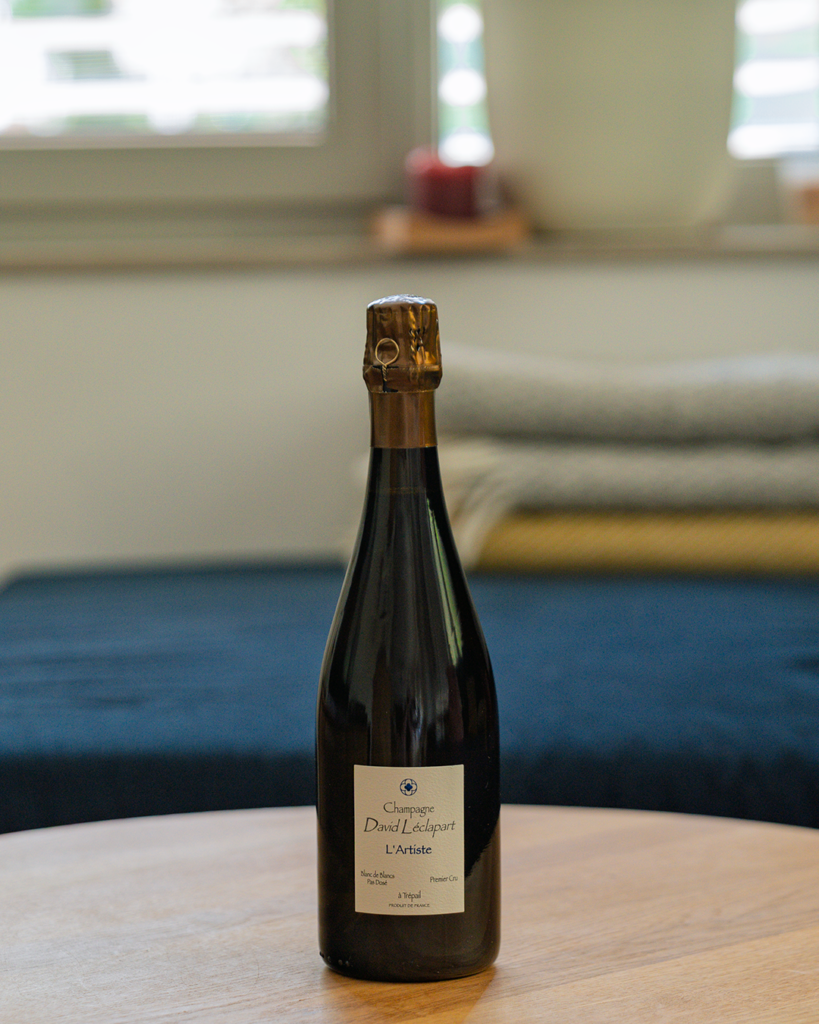
The L’Artiste began with notes of sourdough, overripe apples and a hint of cider. On tasting, a pronounced acidity emerged alongside a wide variety of apple flavours. While it was quite different to the previous one, many tasters enjoyed it.
Pinot Meunier
The next flight consisted of two pinot meunier forward champagnes. The first was the Georges Laval Garennes, which uses 50 % of the current vintage, in this case 2021, and 50 % reserve wines dating back to 2013. The base wines age in used Burgundy barriques. The champagne spends 24 months in the bottle and there were 12.083 bottles produced.
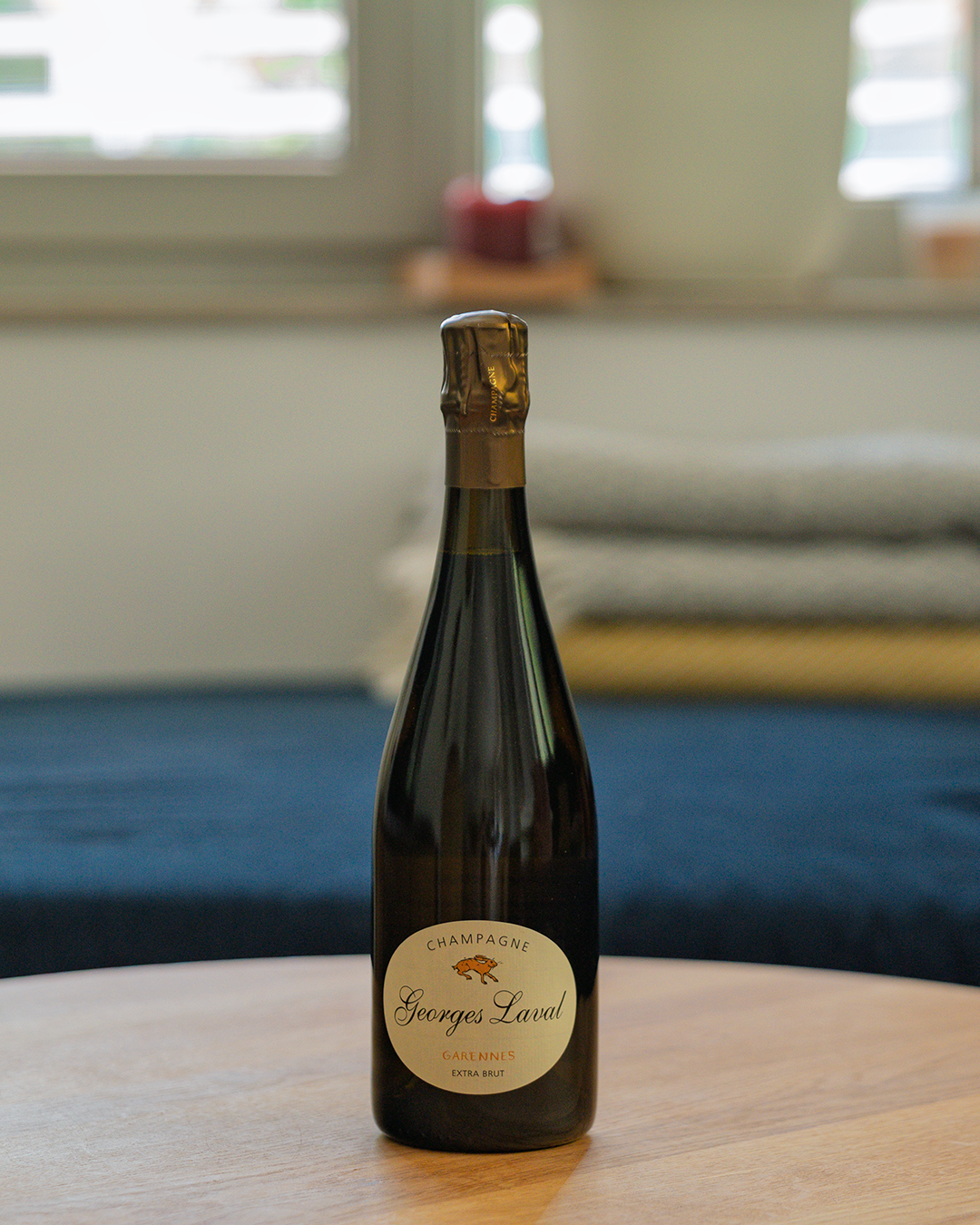
The first meunier in the tasting revealed a depth of flavour that won over many of the tasters. I detected notes of forest honey, spices and flowers, as well as red berries, alongside the obligatory brioche flavours. Overall, this champagne was the best value for money.
For the second bottle in this flight, I had to include a wine from the almost legendary winemaker Jérôme Prévost. Les Béguines comes from a plot planted in 1964, with a blend of chardonnay, pinot noir and pinot gris. After undergoing spontaneous fermentation in used oak barrels, the champagne is left to mature in the bottle for at least 14 months, with 20% reserve wines added.
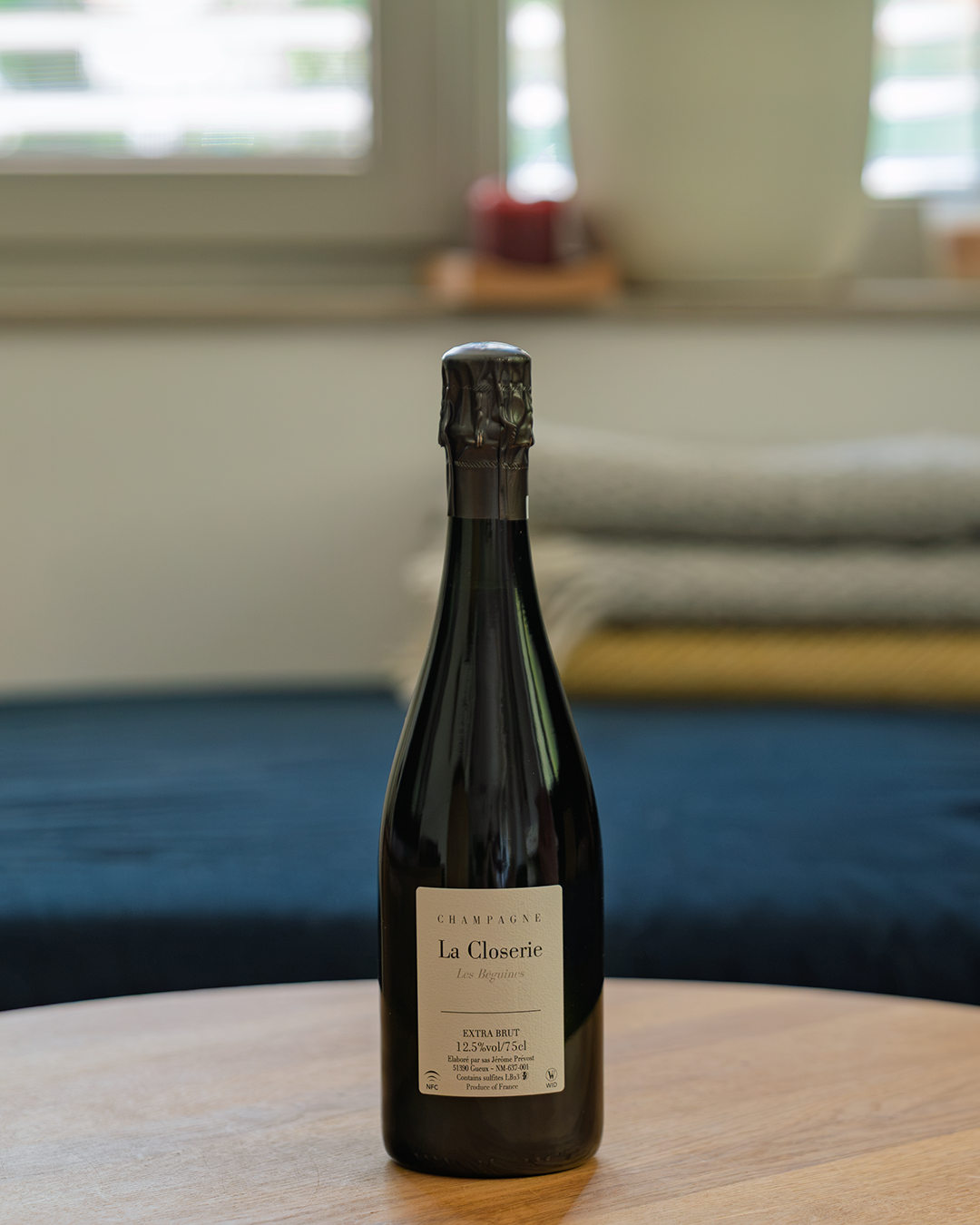
With the La Closerie, I detected both honey and fir needles. Apart from that, I detected notes of red fruits, green gooseberries and bread yeast. The bottle showed the shorter lees ageing and it would probably have benefited from a few more years of storing.
Pinot Noir
The next flight focused on pinot noir forward cuvées. The Henri Giraud Perpetual Réserve 90-20 uses only reserve wines from two soleras and a mix of 80 % pinot noir and 20 % chardonnay. After three years in the bottle, the champagne is disgorged at 5 g / l. The wine is neither filtered nor fined with only a minimal dose of sulphur.
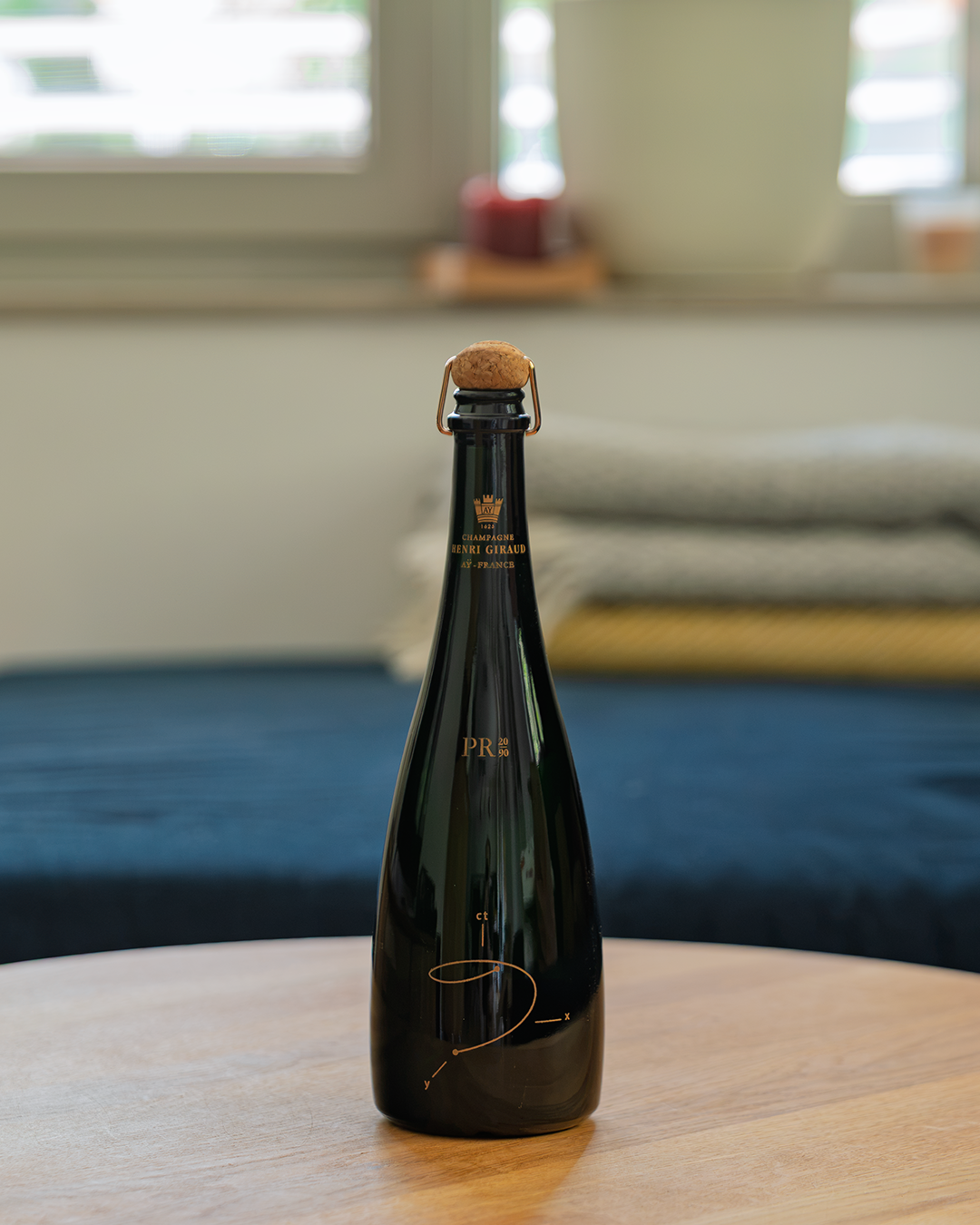
The Perpetual Réserve had a strong brioche flavour, accompanied by notes of red gooseberry and red apple, as well as a hint of glucose. I attribute the latter to the second highest dosage in comparison to the other wines tasted. Nevertheless, as mentioned above, the Henri Giraud was the crowd pleaser.
Since the pinot noir grapes for the Sapience come from Benoît Lahaye, I have also included his 2013 Millésime. Similar to the Giraud the cuvée consists of 80 % pinot noir and 20 % chardonnay, but from a single plot called ‘Monts de Tauxières’. After spontaneous fermentation in used oak casks the base wine spends nine months in used Bordeaux and Burgundy barriques. Additionally, the bottle fermentation and subsequent ageing takes another nine years.
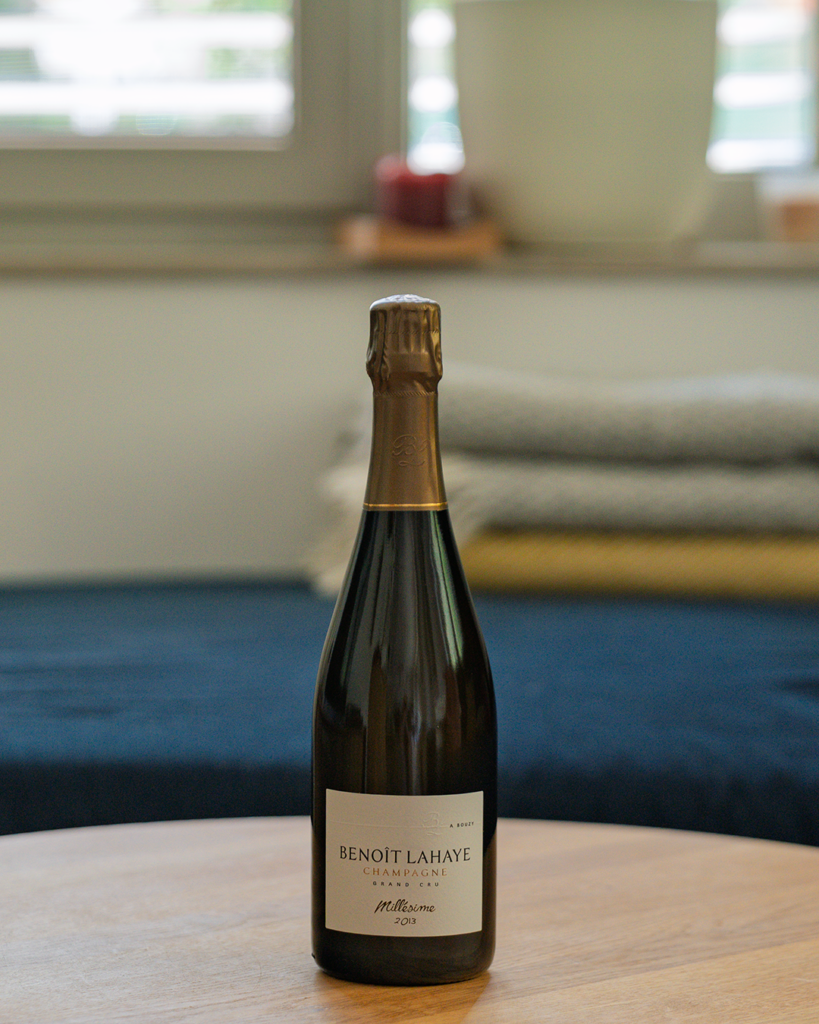
I have to admit that I am a big fan of Benoît Lahaye’s champagne anyway. On top of that, the Millésime 2013 blew us away with its combination of autolytic notes, which were balanced by a lingering freshness. I also tasted notes of lemon and lemon peel, which developed into apple skin with more air and temperature. Despite there being more expensive bottles in the tasting, the Benoît Lahaye was the highest rated.
Grand Cuvées
The subsequent flight was all about cuvées, and we started with the pinnacle of German sparkling wine: the Griesel Grand Cuvée Réserve 2014. The second pirate of the tasting consisted of a blend of 55 % pinot noir, 25 % chardonnay and 20 % pinot meunier. After spontaneous fermentation the base wine is aged in used barriques and stainless steel for a year. The bottle ageing process then takes place over 81 months. Apart from being unfiltered and unfined, Griesel does not add sulphur to the cuvée.
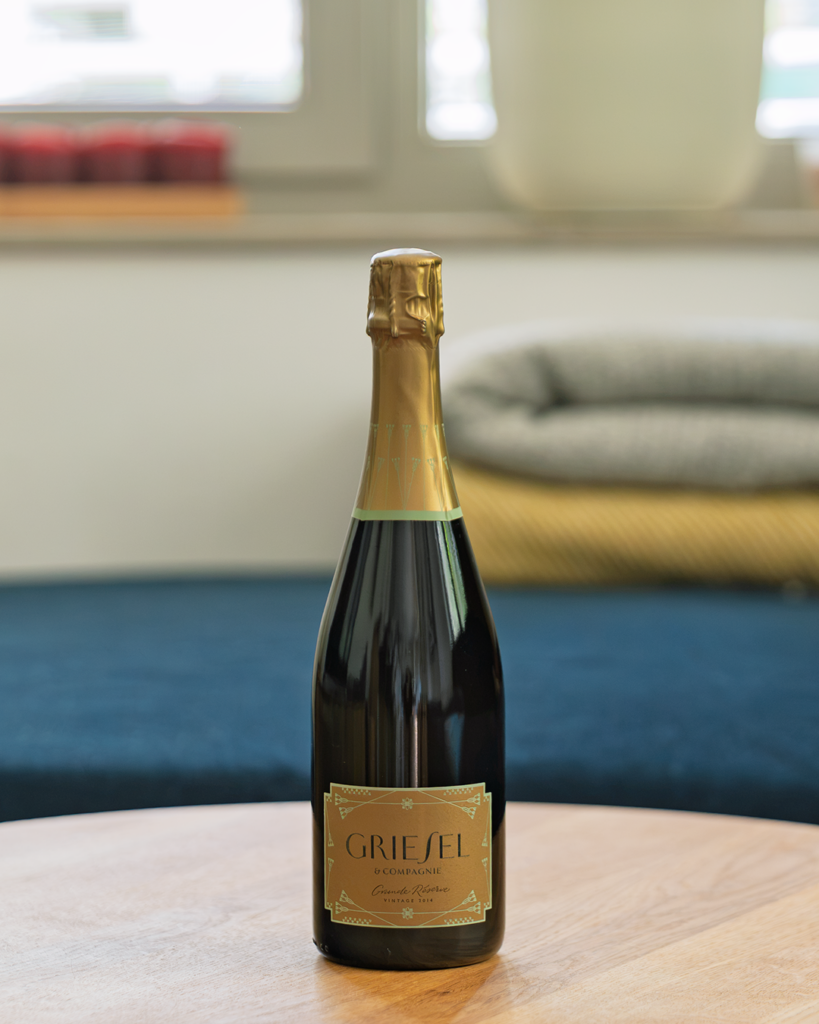
The second pirate in the tasting still was going strong, but had some pronounced umami flavours that some tasters did not particularly enjoy. Yet, those notes quickly evaporated and the Grand Cuvée certainly held its own against the other exclusive champagnes in the tasting. I also detected red fruits, a hint of smoke, citrus and overripe fruits.
This might be an unfair comparison, but the second wine in this tasting flight was Krug Grand Cuvée 173ème Edition. With 44 % pinot noir, 34 % chardonnay and 22 % pinot meunier. After spending three months in 205 l oak barrels, the base wine is transferred to stainless steel tanks. The 173ème edition consists of 150 different wines from 13 vintages. 69 % come from the base year 2017 while the remaining 31 % of reserve wines date back to 2001. Overall, the Krug spends nine years on the yeast in the bottle.
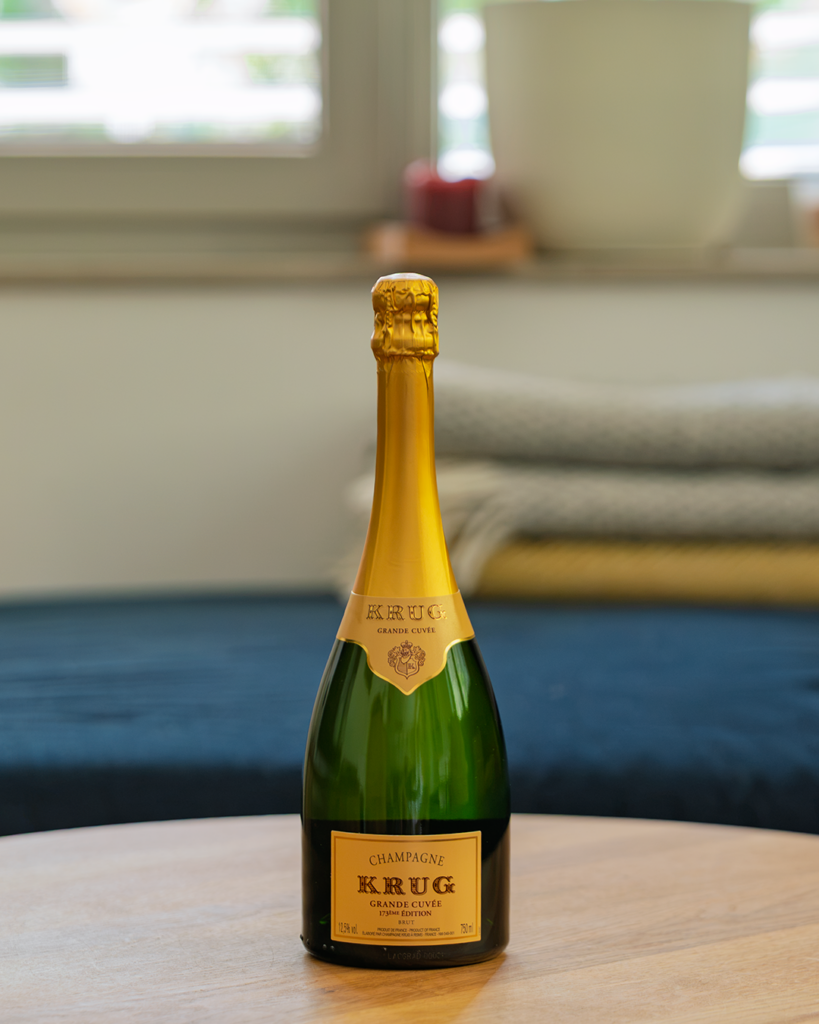
173ème edition started with an unexpected number of reductive notes. I detected hints of citrus, lemon and red apple, as well as a touch of umami. Complex flavours of honey and brioche developed on the palate, too. This way the Grand Cuvée showed ist potential, which many tasters recognised. Nevertheless, the Krug will need a few more years to reveal its true qualities.
Rosés
Next, we moved on to a rosé champagne flight, starting with the 2019 vintage of Benoît Marguet’s Sapience Rosé. This was also the second most expensive wine in the tasting. For this cuvée, Benoît uses 95 % chardonnay from his vineyards in Ambonnay and Avize which he sourced from Vauversin. The remaining 5 % are pinot noir grapes from his own vineyards in Ambonnay. After nine months of ageing in used barrique barrels, a small amount of red still wine is added, after which the cuvée rests on the yeast in the bottle for 68 months.
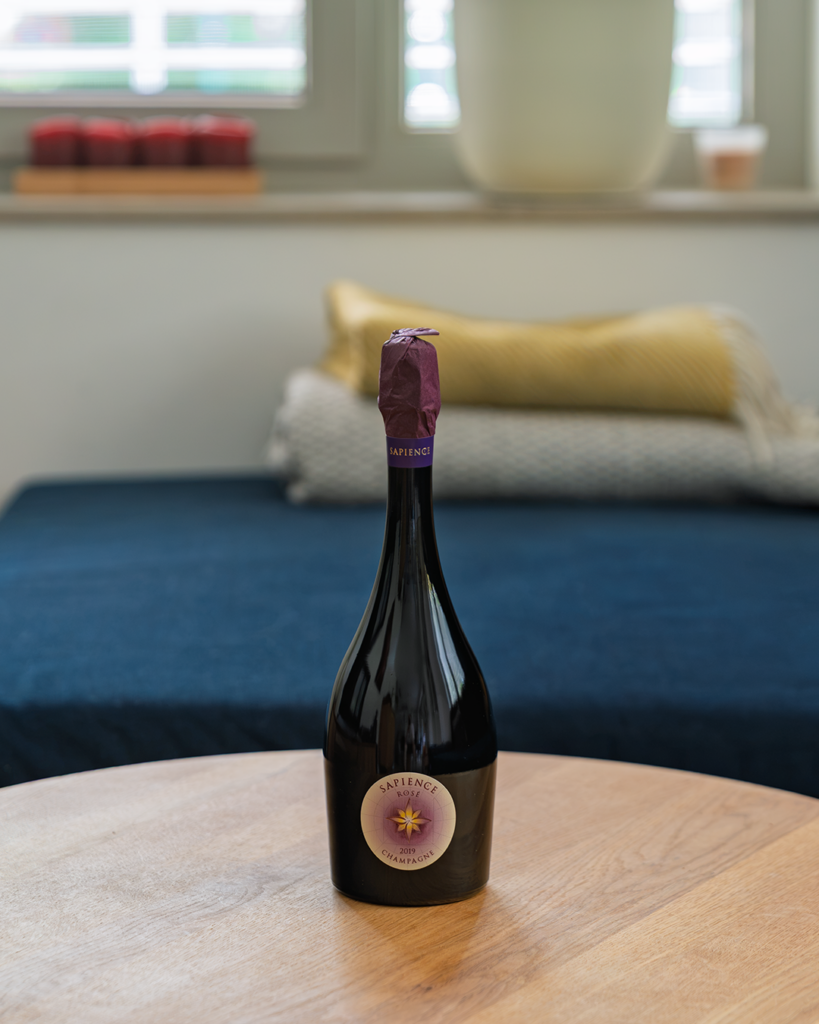
Despite being the most recently disgorged bottle in the tasting, many tasters enjoyed it. I was surprised by how much red fruit and berry flavour came from just 5 % pinot noir. On top of that, there were plenty of citrus notes and a certain salinity. We were honoured to be among the first to sample this exceptional rosé champagne.
The second champagne in this flight was highly unusual. Aurélien Laherte Frères uses a blend of 50% Petit Meslier and 50% Pinot Noir to create his Meslier & Pinot. Both varieties are left on the skins together for a day before pressing. The base wine then ages for around eight months in barriques and 24 months in the bottle on the yeast. Only 336 bottles were produced.
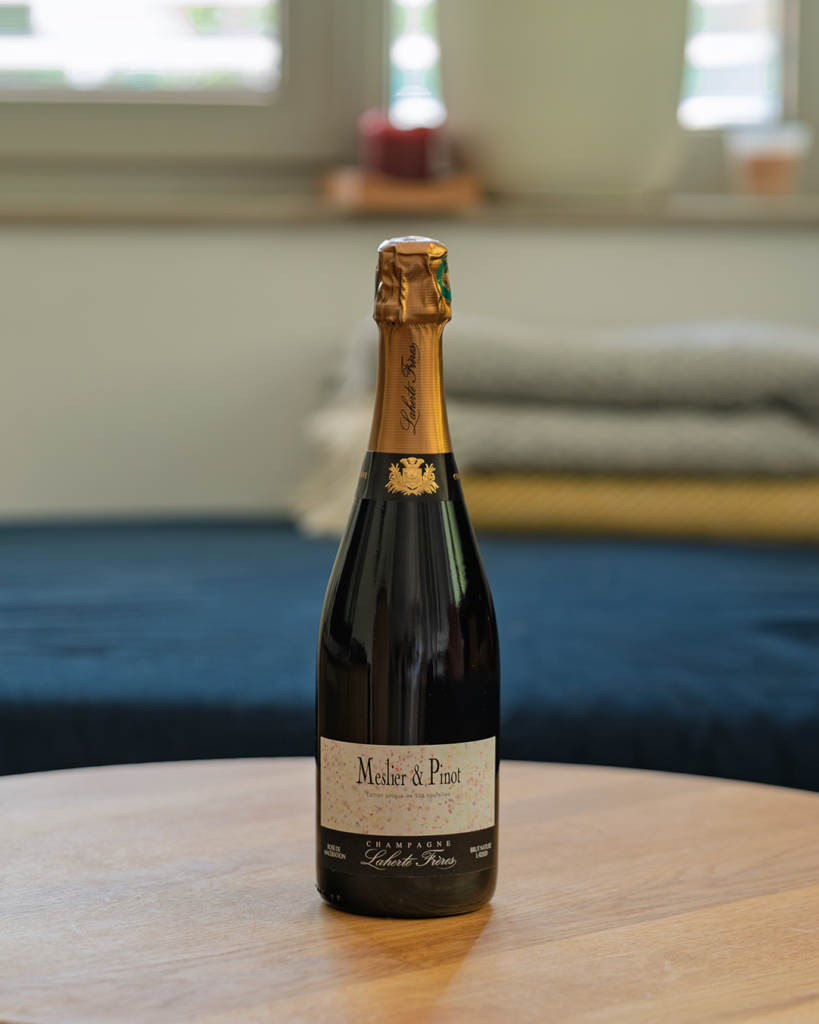
Despite being left on the skins for 24 hours, the Meslier & Pinot only showed the slightest hint of tannins. First, I noticed an unusual and funky fruit flavour that I had never encountered in a champagne before. Next, I picked up notes of vanilla bean, vineyard peach and red berry yoghurt. Interestingly enough, the tasters enjoyed this champagne even more than the Sapience Rosé.
Vintage 2011
For the final flight, we tried two very special bottles, both of which were from the 2011 vintage. First, we tried the Benoît Marguet Sapience Œnothèque, which is made using 50 % grapes from David Leclapart, and 25 % each from Vincent Laval and Benoît Lahaye. This special cuvée is produced by Marguet with the help of Hervé Jestin. After ageing in oak barrels, the champagne spends 140 months on the yeast in the bottle.
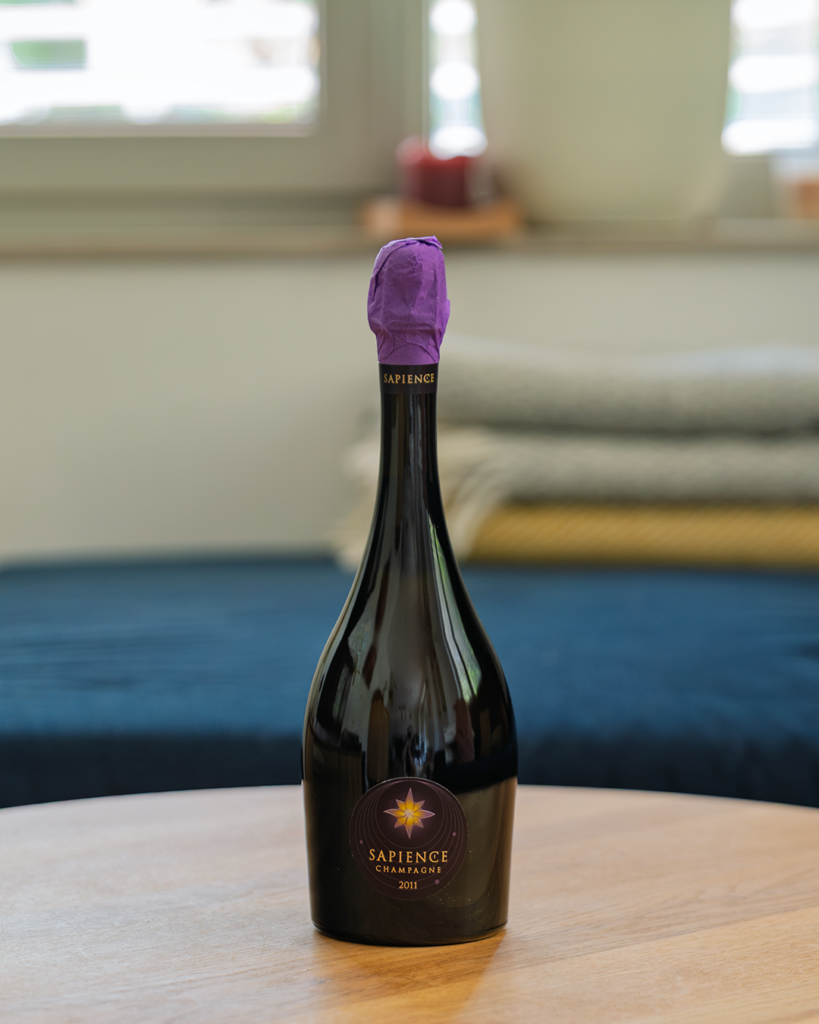
The Sapience Œnothèque showcased the full complexity of a premium champagne. I detected notes of vanilla, brioche, citrus and honey. Yet the wine also retained enough freshness, with notes of green apple and lemon. It was the third highest-rated champagne in the tasting, and the one that received the most top ratings.
The final wine in the tasting was a bottle of Krug Champagne from the 2011 vintage. It uses a mix of 46 % pinot noir, 37 % chardonnay, 17 % pinot meunier. As with the Grand Cuvée, the base wine spends a few months in 205 l barrels and then in stainless steel tanks. Furthermore, the champagne is aged for 132 months on the yeast in the bottle.
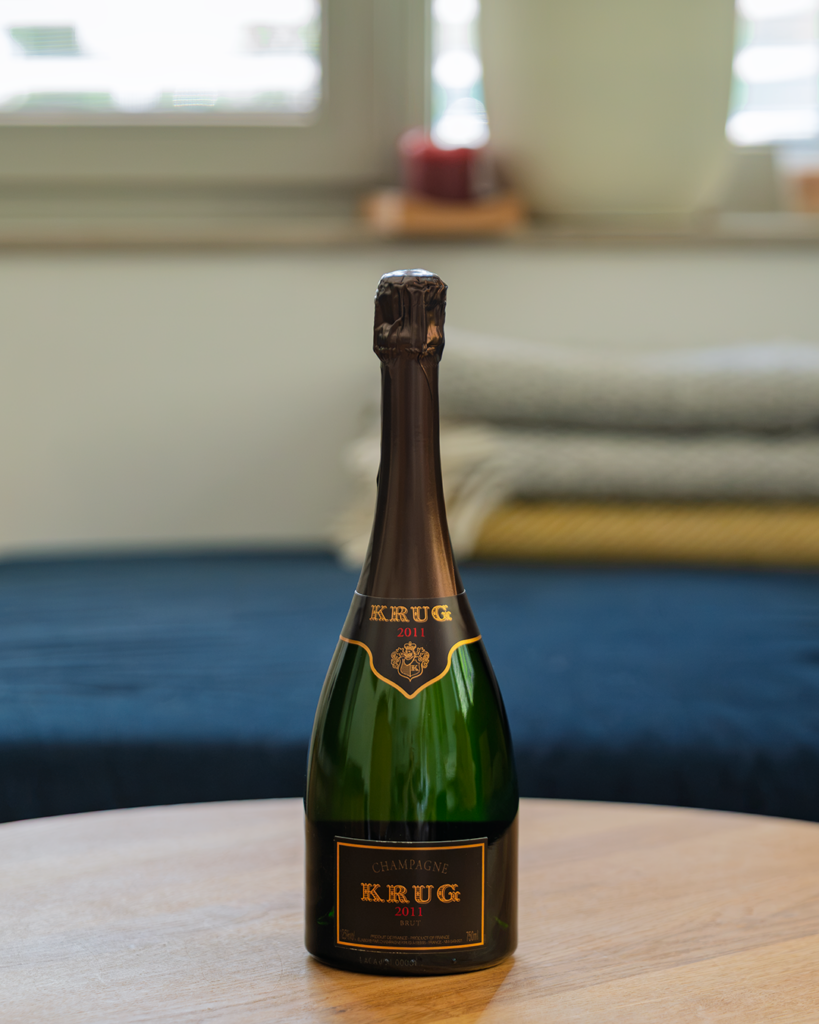
Similar to the previous bottle, the Krug showed what exceptional champagne is all about. Despite a hint of smoke at the start, the 2011 Vintage showed an exceptional level of complexity. There was a combination of Brioche, baguette and yeast flavours accompanied by lemon peel and white fruits. Towards the aftertaste, I also found a certain minerality, reminiscent of chalk, which gradually transitioned into a subtle salinity.
Conclusion
Ultimately, the question that remained was: Is it really worth spending so much money on champagne? If you really want to try these exclusive champagnes, you do get a lot for your money. Then again, the difference between a premium bottle and a luxury one is much smaller than the difference between standard cuvées and premium ones. Nevertheless, it was an unforgettable experience, and we enjoyed an exceptional evening at the beautiful KRUG12 event venue!